Վիշապի խնդիրն այն է, որ չգիտի ոչ մի բան անել։ Չափազանց ծեր է թռչելու համար, և հազիվ թե հավի չնչին թրթիռին հասնի։ Չնայած, որ մի զույգ ծխի սյուներ են աղոտ վեր բարձրանում իր թեփուկավոր քթանցքներից, նա այլևս ի վիճակի չէ դուրս մղելու իր վրիժառու հուրը։ Հետաքրքիր է, ասում է տնօրենը, շատ հետաքրքիր է, բայց ավելի կենդանաբանակ այգու բան է, քան կրկեսի։ Զմռսած, իր ժամանակը երբ հասնի, կարելի է մի լավ գնով ծախել որևէ թանգարանին։
Եվ տերը, կամ երևի վիշապի ներկայացուցիչը, լքում է կրկեսը հուսահատ՝ քարշ տալով իր հոգնածությունը, մի բուսակեր վամպիրենրի ընտանիք, մի նախկին հրեշտակ, ով անհաճո ձևով ցուցադրում էր իր խեղված թևերի կոճղերը։
“El dragón”
ANA MARÍA SHUA
El problema es que el dragón no sabe hacer nada. Está demasiado viejo para volar y logra apenas un patético revoloteo de gallina. Aunque un par de columnas de humo se elevan débilmente de sus narinas escamosas, ya no es capaz de expeler su fuego vengador. Es interesante, le dice el director, muy interesante, pero más apropiado para un zoológico que para un circo. Embalsamado, en su momento, podrá vendérselo por una buena suma a cualquier museo.
Y el dueño, o tal vez el representante del dragón, se va del circo desalentado, arrastrando su cansina, una familia de vampiros vegetarianos, un ex-ángel que exhibe torpemente los muñones de sus alas mutiladas.
Այդ աշխարհները, որոնք մեր մեջ ապրում են Ու՞ր է տանում քեզ Այն բառը, որը բաց ես թողնում։ Ի՞նչ բանալի ես հորինում հայացքիդ մեջտեղում Ինչպե՞ս ես թաքցնում երեսդ Ժպիտիդ հետևում Ու փախչում․ Ի՞նչ գիտես այն աշխարհների մասին Որ ապրում են մեր մեջ՝ Առանց մերը լինելու, Ի՞նչ ես հիշում դարեր առաջվա մոլորակային կյանքից, որոնք նախորդում են քո այսօրվա «ես»-ին. Կարծում ես՝ ո՞վ կլինես՝ անցնելով շեմը նրանց. ովքեր կարող են տեսնել Առեղծվածի դարպասները, չունեն կողպեք։
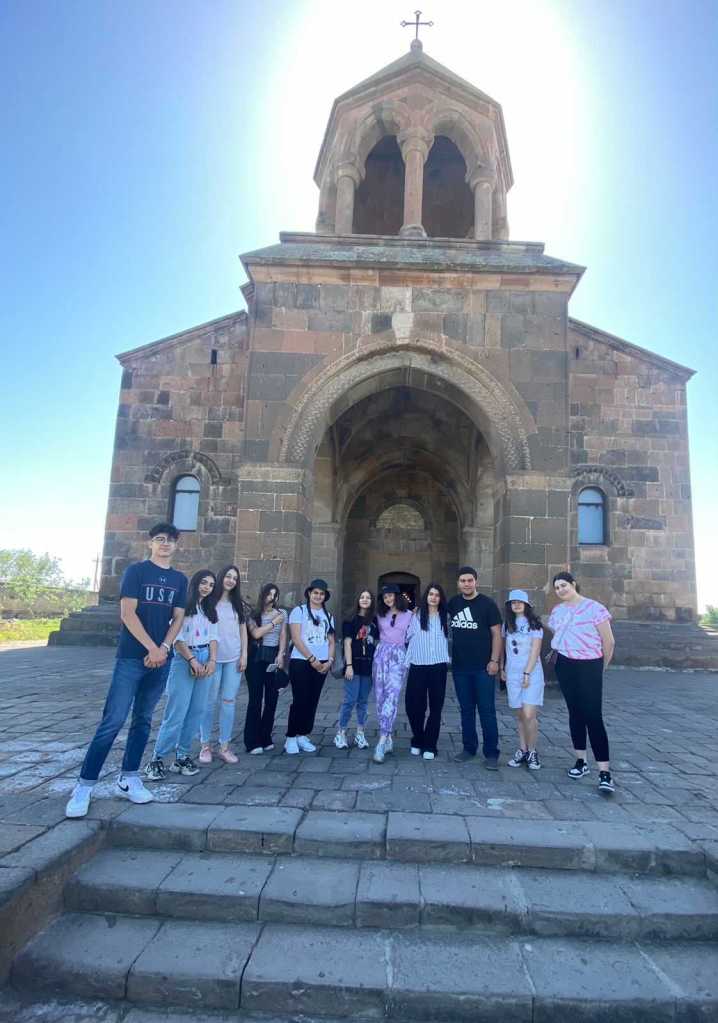
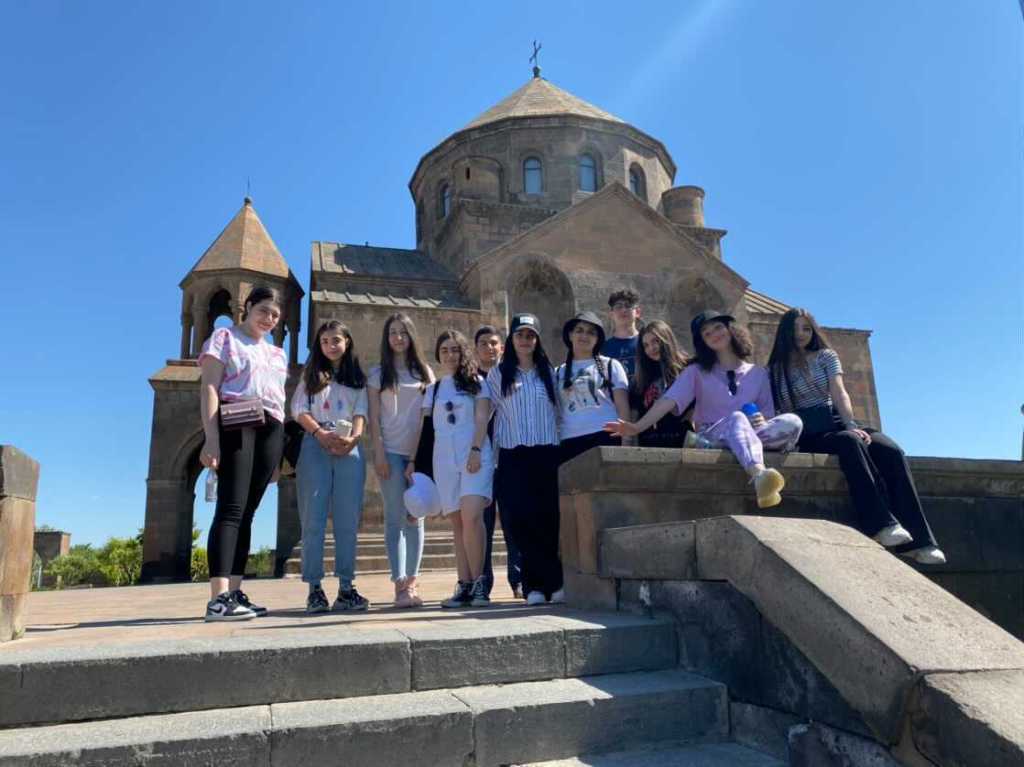
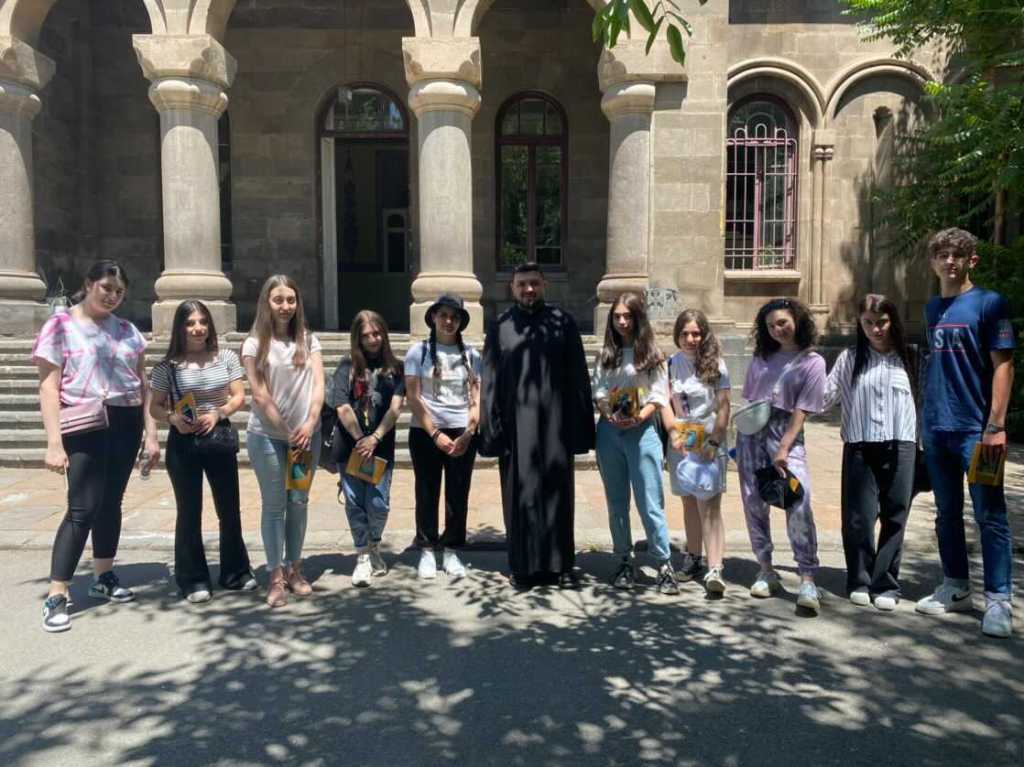
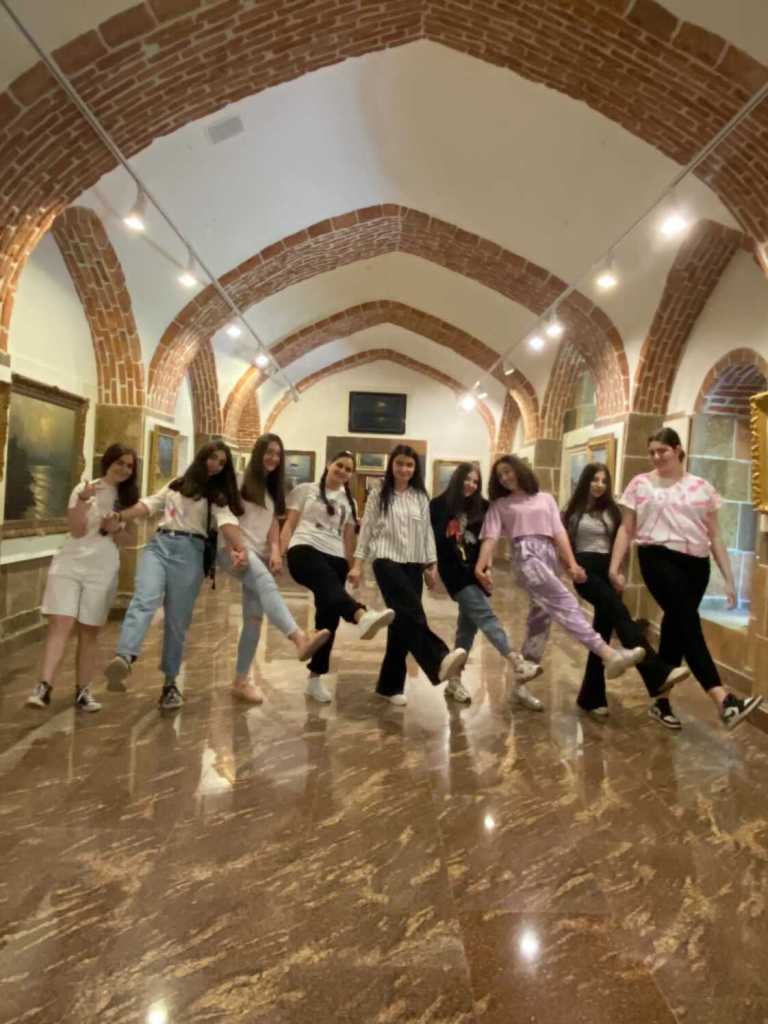
Նախ օրս սկսեց հրաշք մարդկանցով։ Հանդիպեցինք ու ուղևորվեցինք դեպի Էջմիածին։ Հասանք Սբ. Հռիփսիմե եկեղեցին որտեղ նաև Հռիփսիմեի գերեզմանին այցելեցինք։
Այնուհետև ուղևորվեցինք Մայր Աթոռ Սբ. Էջմիածին։
Զրուցեցինք Լևոն Սարկավագի հետ։
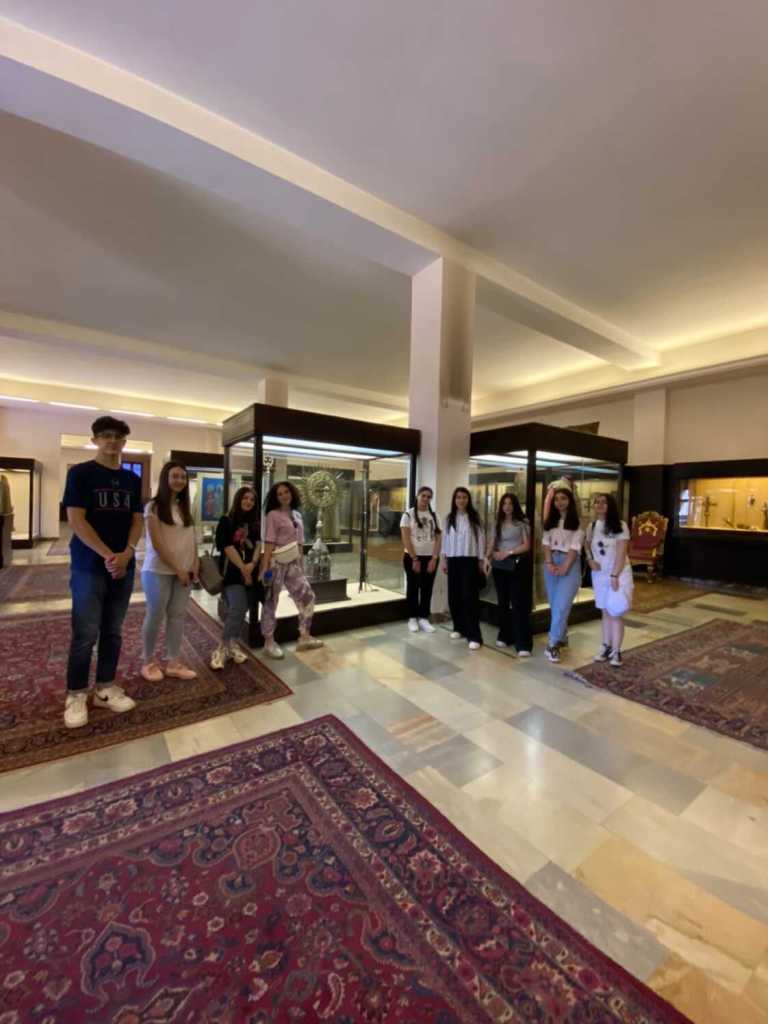
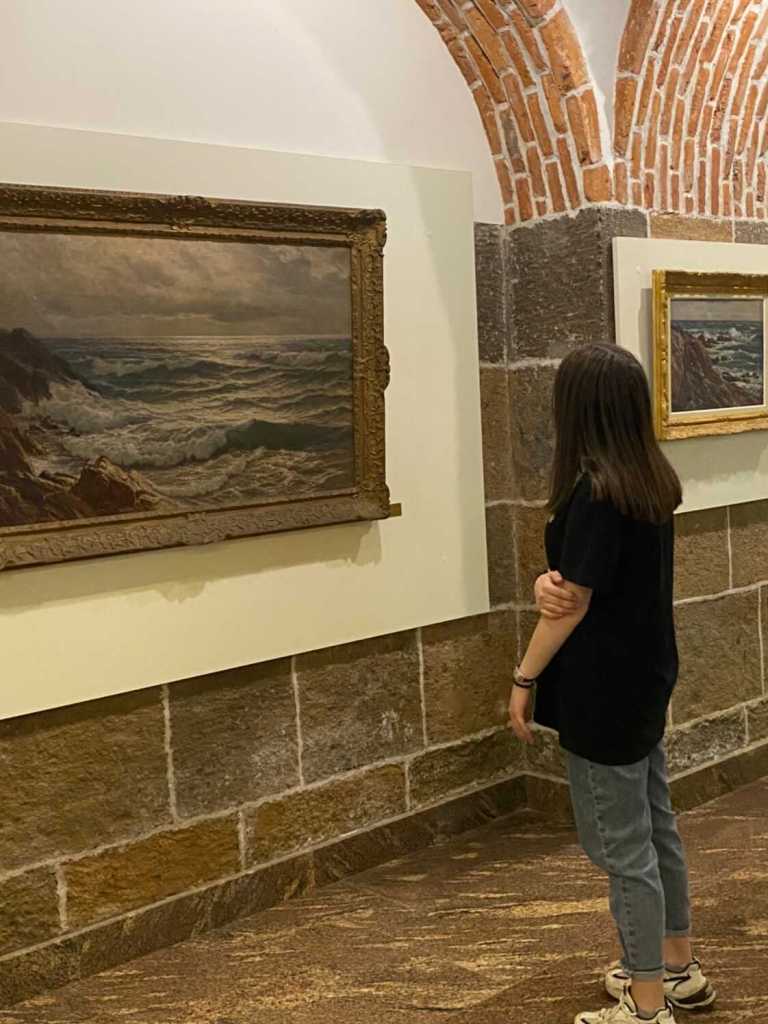
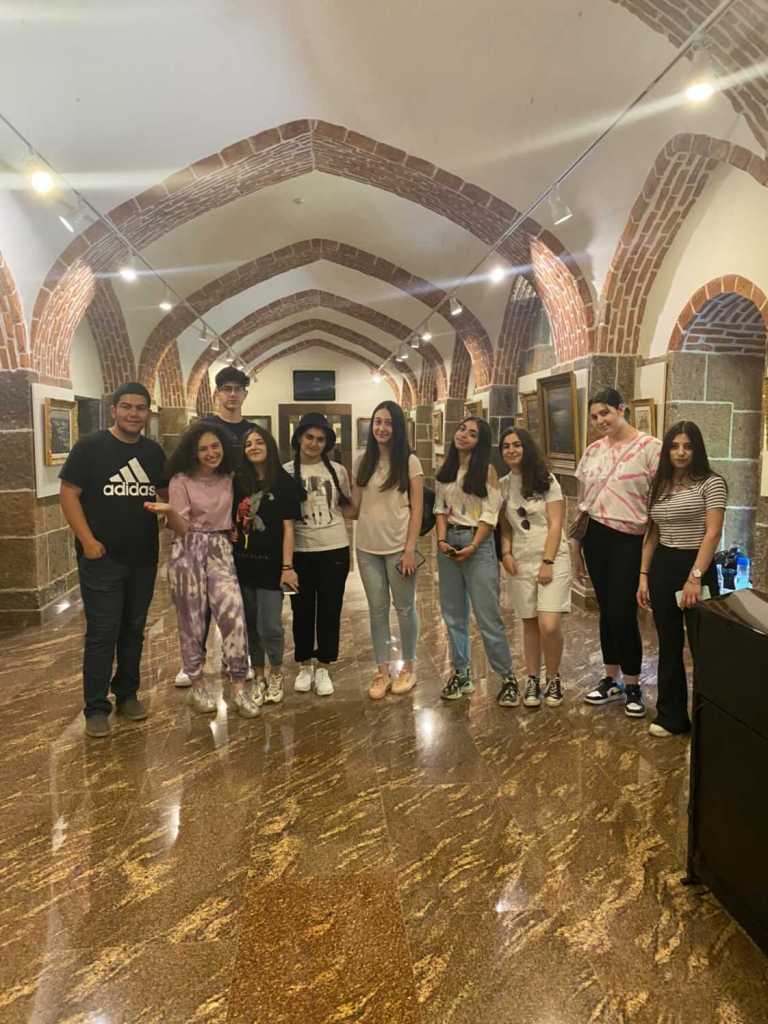
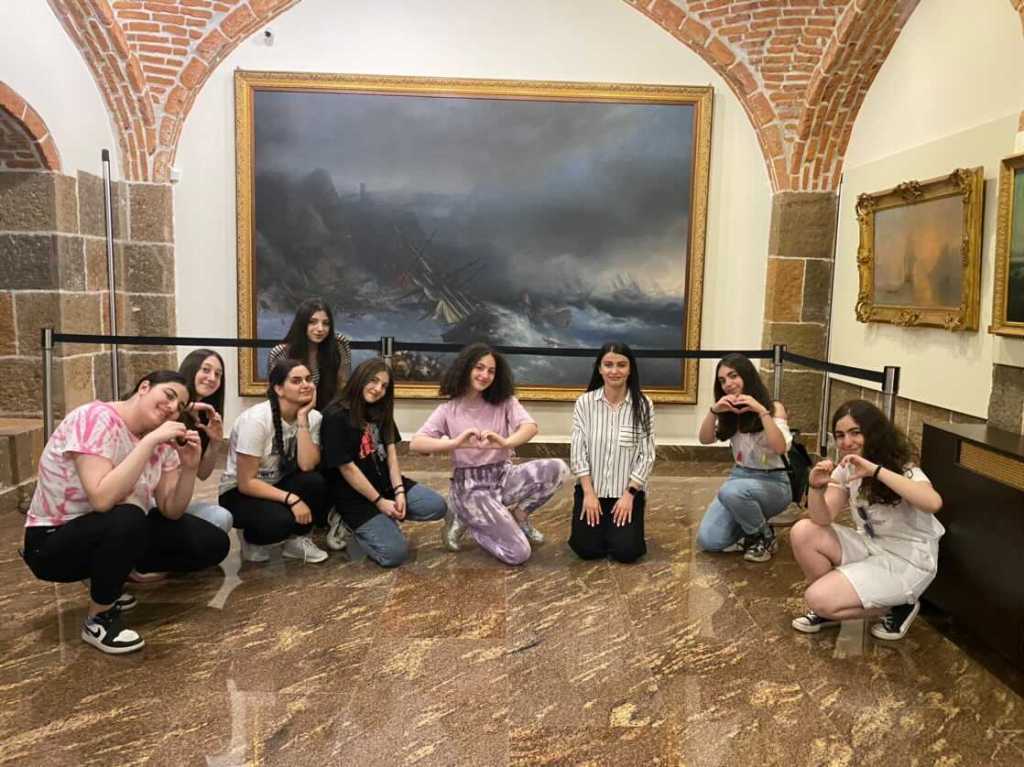
Եղանք այնտեղի գանձատանը և Ռուբեն Սևակի թանգարանում։ Ամենինչ շատ գեղեցիկ էր և հետաքրքիր; ինչ֊որ տեղ նաև զարմանալի։
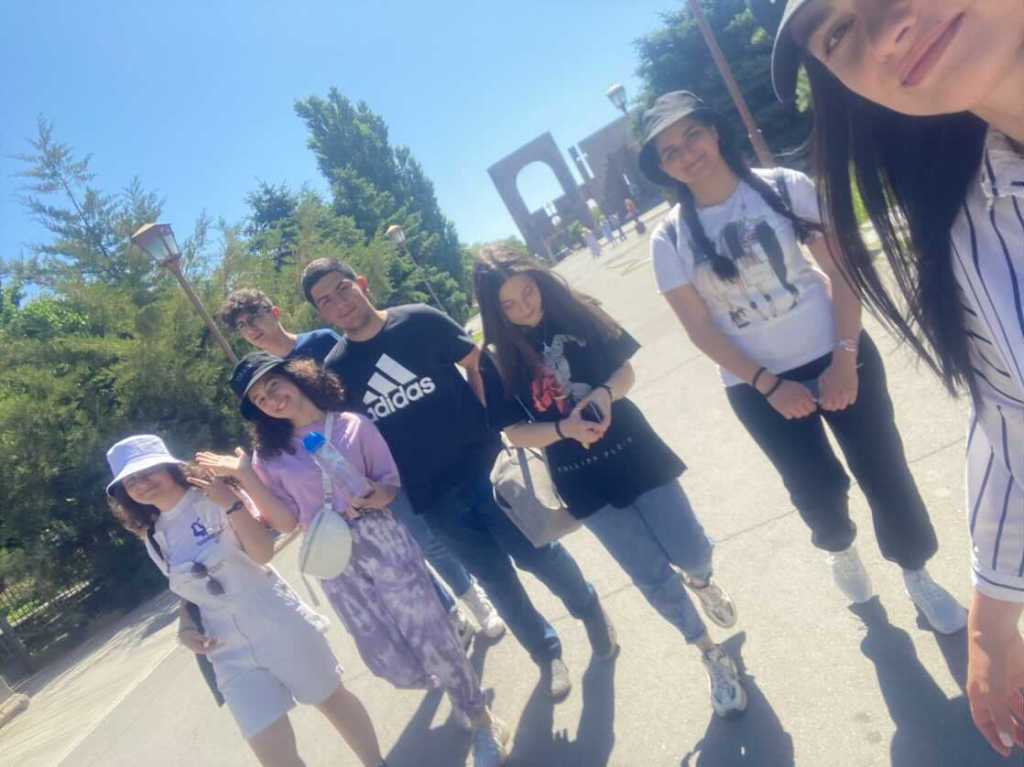
Ահա ևս մի քանի կադր`
Այստեղից շատ տպավորված բոլորս գնացինք Էջմիածնի միակ Ֆուդ կորտը, իսկ հետո Օհանի հետ այցելեցինք նրանց տուն։ Նրա մայրիկը մեծ պատրաստություն էր տեսել մինչ մեր գալը։ Շատ լավն էր նրա մայրիկը։ Իսկ վերջում շնորհակալություն հայտնեցինք նրանց և ուղևորվեցին հետ դեպի Երևան։
Բոլորս շատ տպավորված էինք այդ լի և հագեցած օրվանից և մեր սիրելի ընկեր Ռուզաննային շնորհակալություն հայտնեցինք այդ գեղեցիկ օրվա համար։
Թանկագին իմ սատանի ճուտ… Բոլորն աշխատանքից գնացել են, և լուռ գրում եմ քեզ. Ճիշտ է, տկտկում է գրամեքենաս, բայց և այնպես մի փոքր, որպես ձայն… Այսօր մեր մոսկովյան բոլոր ցրտերի ցուրտն է: Սառչում է ամեն ինչ՝ և՛ մուշտակի դրսինը, և՛ ներսինը… Մուշտակն իմ էլի նույնն է… Ոտնաման-բեռնատարներս՝ նույնպես: Արդյոք քեզ ե՞րբ կտեսնեմ: Ձմեռ և ամառ,գարուն և աշուն… Իսկ որտե՞ղ է տարվա հինգերորդ եղանակը, շատ կարևորը, մեր եղանակը… Ես միշտ սիրում եմ քեզ, իսկ վերջերս քիչ մնաց՝ խելքս թռցնեի… Դա երբ դու ինձ հետ խոսում էիր ստուդիայից, քո՝ բոլորին անհասկանալի լեզվով. այն հազարավոր առավոտներից մեկն էր, երբ ես միացնում եմ ռադիոն, և, այնուամենայնիվ, լինում են հեքիաթներ… Իսկ ես լսում ու լսում էի: Հետո իմ աշխատակիցներն ասացին՝ բանաստեղծությունից չեն լալիս… Ո՞վ գիտի՝ ինչից են լալիս: Լաց են լինում արցունքներից, ահա այն, ահա ձայնը, իսկ ռադիո՞ն գրկել, ի՞նչ է… Քո ևս մի Նոր տարին շնորհավոր… իմ առաջին ու վերջին: Քո՝ Ս.
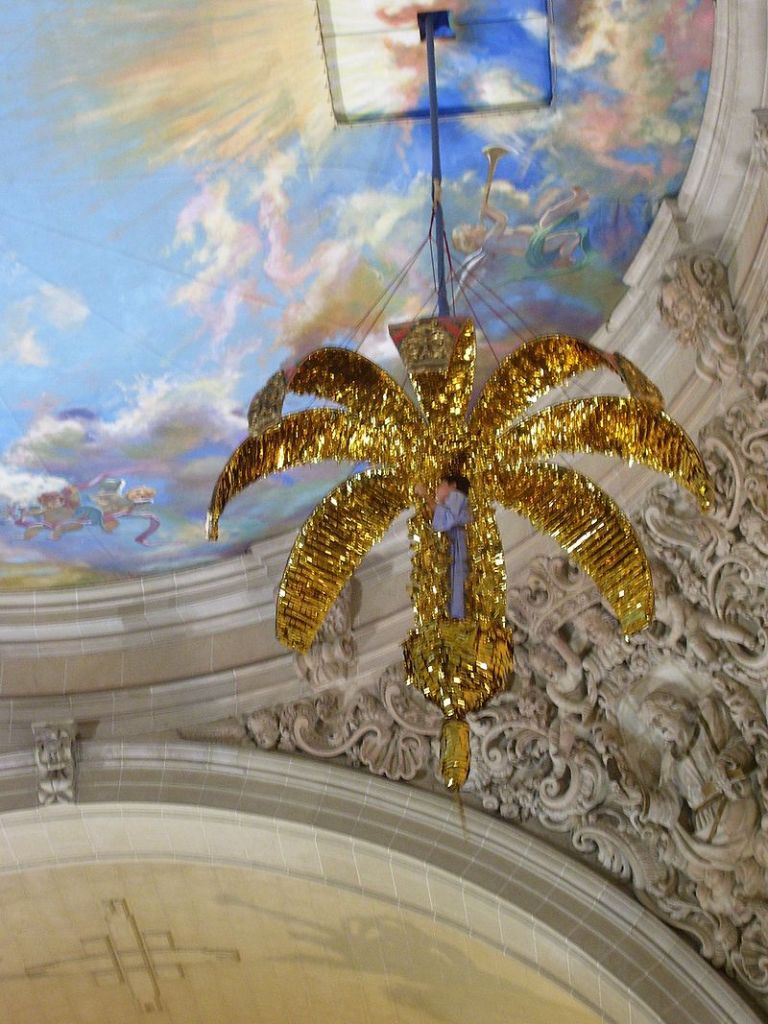
Էլչեի առեղծվածը ( իսպ.՝ Misterio de Elche, Իսպաներեն արտասանություն՝ [ misˈteɾjo ˈðe ˈeltʃe] անգլերեն` Mystery Play of Elche կամ Էլչեի առեղծվածային պիես, Վալենսիայում` Misteri d’Elx), միջնադարյանլիթուրգիական դրամա, որը ներկայացնում է Մարիամ Աստվածածնի մահը, վերափոխումն ու թագադրումը, նշվում է Էլչե քաղաքի Սանտա Մարիա բազիլկում ամեն տարվա օգոստոսի 14-ին և 15-ին: 2001 թվականին ՅՈՒՆԵՍԿՕ-ն այն հռչակել է ոչ նյութական ժառանգություն:
Էլչեի դրամայի ստեղծման ժամկետի երկու պատմություններ կան: Ըստ հնագույն և տարօրինակ պատմության` այն ծագել է 13-րդ դարում և առաջին անգամ առաջարկվել է քաղաքի պատմության հեղինակ Քրիստոբալ Սանցի կողմից: Երբ նա խոստովանել է, որ չի կարող ապացուցել իր պատմությունը, առաջ է քաշել այն փաստը, որ քաղաքի հնագույն բնակիչներն այն տոնել են 1276 թվականին: Նա ավելացնում է նաև ևս մեկ հին պատմություն. երբ Արագոնի թագավոր Խայմե I-ը քաղաքը գրավում է, քաղաքի բնակիչների մոտ առաջ է գալիս Առեղծվածային պիեսի գաղափարը այն օրը, երբ քաղաքը հետ են վերցնում մավրերից: 1717 թվականին Էլչեի գլխավոր հավատարմատար Խոսե Անտոնը կրկնում է այս վերջին գաղափարը, սակայն ավելացնում է առեղծվածային տեսակետ. 1266 թվականի մայիսին Էլչեի ծովափ է ժամանում խորհրդավոր տապանաձև նավակ, որտեղ առկա էր Կույսի վերափոխման պատկերը և Կոնսուետան (գիրքը, որը պարունակում է պիեսի տեքստը, երբեմն` երաժշտությունը):
Այս պատմությունը պահպանվել է մասամբ ներելու կոմպոզիտոր Օսկար Էսպլայի (1886-1976) հնարավոր սխալը, ով պնդում էր, որ 1924 թվականին ինքը տեսել է 1266 թվականի պիեսը թույլատրող մի նամակ, որը պահպանվել է Էլչեի մունիցիպալ արխիվներում, չնայած այն հանգամանքին, որ այն երբեք չեն տեսել: Էսպլան իրականացրել է աշխատանքը և որպես կոմպոզիտոր առաջ քաշել պիեսի 13-րդ դարում ծագման տեսությունը:
Այնուամենայնիվ, երբ 19-րդ դարում առաջին պատմաբանները ժամանեցին Էլչե և ուսումնասիրեցին պիեսը, ծագման ամսաթիվը տեղափոխվեց 14-րդ դար և 15-րդ դարի սկիզբ: Ներկայումս Լա Ֆեստայի շատ գիտնականներ տարբեր տեսանկյուններից` գրական, թատերական, երաժշտական, լեզվաբանական, սրբապատկերային և այլն, այն թվագրում են 15-րդ դարի երկրորդ կեսին, առանց ընդգծելու քաղաքի գոյության նախադեպերը:
«Կոնսուետե» տերմինը Consuetudine և Ordinatio բառերի համադրություն է և վերաբերում է ձեռագիր պատարագային արարողություններին: Այդ ձեռագրերը պարունակում են բեմականացումների, երաժշտական նոտաների, բեմական սարքերի թանկարժեք անոտացիաներ, և թվագրվում է 1625 թվական:
Misterio de Elche
El Misterio de Elche (Misteri d’Elx en valenciano) es un drama sacro-lírico religioso que recrea la Dormición, Asunción y Coronación de la Virgen María. Dividida en dos actos o jornadas, la obra se escenifica cada 14 y 15 de agosto en el interior de la Basílica de Santa María, en la ciudad de Elche (Alicante).
Investigaciones recientes sitúan el origen de dicha obra en torno a la segunda mitad del siglo XV, contradiciendo así a las tradiciones locales, que la relacionan, por una parte, con la conquista del Elche musulmán (1265) y, por otra, con el hallazgo de la imagen de la Virgen, dentro de un arca de madera, el 29 de diciembre de 1370, en la cercana localidad costera de Santa Pola.
Se trata de la única obra en su género que ha sido representada sin interrupción hasta la actualidad, superando incluso el impedimento que supuso la prohibición de representar obras teatrales en el interior de las iglesias por parte del Conciliode Trento. Fue el Papa Urbano VIII quien, en 1632, concedió al pueblo de Elche, a través de un rescripto pontificio, el permiso para continuar con dicha representación, contra el intento de prohibición del obispo de Orihuela.
Todos y cada uno de los personajes son representados por varones, tratando de respetar así el origen litúrgico-medieval de la misma, que vetaba expresamente la aparición de mujeres en este tipo de representaciones, lo cual hoy en día se mantiene por tradición. El texto del Misteri, a excepción de algunos versos en latín, está escrito en valenciano antiguo. La música es una algama de estilos de diferentes épocas que incluyen motivos del Medievo, del Barroco y del Renacimiento.
La festividad ha recibido numerosas condecoraciones y reconomientos, entre los que destaca la declaración el 18 de mayo de 2001 como Obra Maestra del Patrimonio Oral e Inmaterial de la Humanidad por parte de la Unesco.
El origen del Misterio de Elche es incierto, aunque sin duda no puede ser anterior al último tercio del siglo XV. Existen dos tradiciones locales sobre su nacimiento. Una de ellas vincula su creación con la conquista de Elche por el rey Jaime I en 1265. La segunda tradición legendaria otorga al Misterio un origen milagroso y lo relaciona con la aparición o “Venida” de la imagen de la Virgen Ilicitana el 29 de diciembre de 1370.
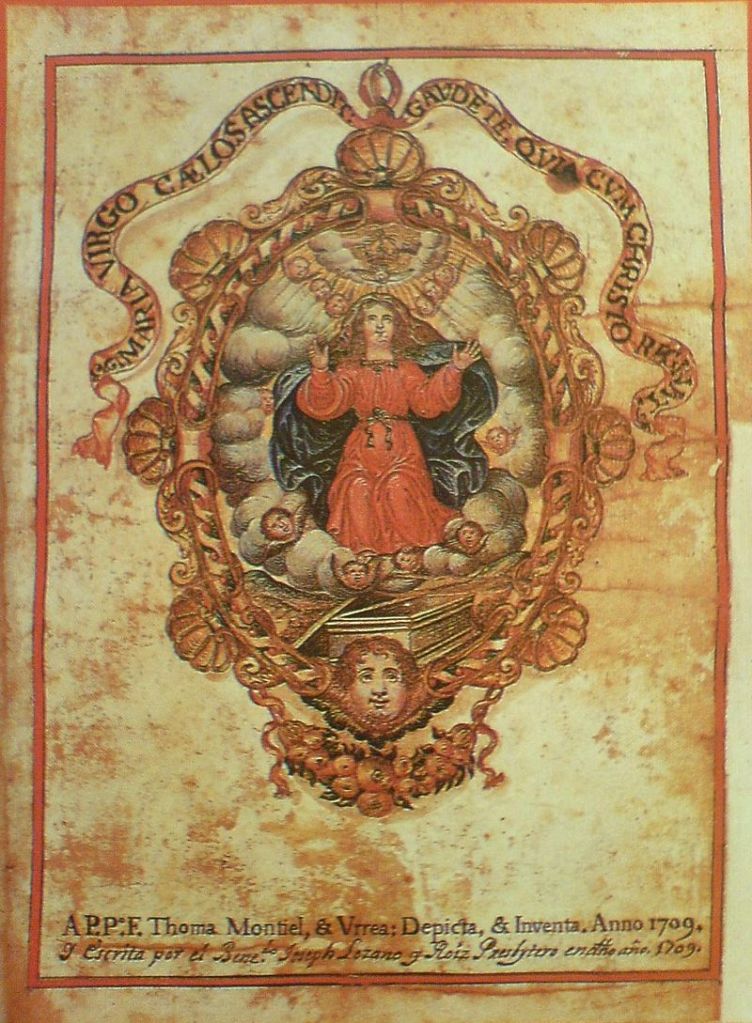
El primer testimonio que tenemos de texto es una copia efectuada en el siglo XVII. El manuscrito original se perdió, pero la copia se conserva, aunque no es fácil saber la fecha exacta a la que perteneció. En la actualidad la copia más antigua que tiene el ayuntamiento es del 1709, era una copia de la Consueta para los Mestres de la Capella. La consueta es el nombre que se daba a un cuaderno de apuntes, en el cual se anotaba el rito a seguir en cualquier celebración, en este caso la Cosueta de la fiesta.
Tradicionalmente se ha afirmado que el texto estaba escrito en lemosín (llemosí), denominación que recibió en la Edad Moderna el valenciano.El texto es corto, está formado por 139 versos en la primera parte y 119 en la segunda. Los versos en la mayoría son cortos y con una versificación en parte arcaica y en parte renacentista.
El origen de la música
La parte musical fue estudiada por Maricarmen Gómez Muntané, según la cual la partitura es de diferentes épocas. La parte más antigua pertenece al repertorio gregoriano y trovadoresco; así los cantos de María y del Ángel.
De otras partes más modernas se conocen algunos autores como Ginés Pérez (1548), autor de A vosaltres a pregar que se’ns anem a soterrar; Ribera (1521), autor de Flor de virginal bellesa i Aquesta gran novetat; y LluisVich (1594), que es el autor de Ans d’entrar en la sepultura. El autor del Ternari es desconocido, pero por sus características es también del siglo XVI. Por último, hay aportaciones posteriores, porque la Festa siempre ha sido una cosa viva en permanente evolución, pero solo en sus melismas, no en su texto ni en su música, que quedaron fijados completamente a fines del siglo XVI.
This letter sounds like the ah sound you use to express realization in English: Ah, that’s the one!
b
be
This letter often sounds like an English b. Especially when it occurs between two vowels, it is pronounced with the lips not touching, much like the Spanish v. You may also hear it called be larga, be grandeor be de burro.
c
ce
This letter often sounds like the English k. Before e or i, it sounds like an s (or like the th in thick in many parts of Spain.)
ch
che
While this is not considered a letter anymore by the RAE, it sounds like the ch in cheese.
d
de
This letter sounds much like an English d, except you should place your tongue against your upper teeth instead of the roof of your mouth when pronouncing it. It often sounds like the th in English then, especially when it comes between two vowels.
e
e
This letter sounds like the eh sound you make when asking for clarification or agreement in English: Eh? What did you say?
f
efe
This letter sounds like the English f.
g
ge
This letter usually sounds much like an English g. Before e or i, it sounds like a harsh English h. It’s very similar to the j in Spanish.
h
hache
In general, this letter is silent. However, in words adopted from other languages, the breathy aspiration is maintained. For example, Hawái.
i
i
This letter sounds like English ee but shorter.
j
jota
This letter sounds close to the English h sound, though it varies from country to country. In some places, it makes a harsh sound (almost like you are trying to spit something up). It never sounds like the j in English judge.
k
ca
This letter is uncommon in Spanish, but sounds much like the English k.
l
ele
This letter sounds close to the English l, but with the tongue raised closer to the roof of the mouth (rather than dipped down).
ll
elle
While this is not considered a letter anymore by the RAE, it sounds like the y sound in English yellow in many places. It can also be pronounced like the j in judge or the s in pleasure. You may also hear it called doble ele.
m
eme
This letter sounds just like the English m.
n
ene
This letter sounds just like the English n.
ñ
eñe
A completely separate letter from the n, this letter sounds much like the ni in onion or the ny in canyon.
o
o
This letter sounds close to the o in so, but shorter.
p
pe
This letter sounds close to the English p, but with less breath.
q
cu
This letter is always followed by the letter u and sounds like English k.
r
ere
This letter sounds a bit similar to the d sound in English caddy. At the beginning of a word, it’s pronounced like the Spanish trilled rr (see below).
rr
doble ere
To make the famous trilled rr, the key is practice. Practice tip: Say the word butter (with American pronunciation) and think of the sound you make in the middle (tt). In American English, this sound is a tap. The Spanish rr is essentially many taps in a row, and you can practice it by saying the tt sound in butter over and over.
s
ese
This letter sounds just like the English s.
t
te
Softer than the English t, to say t in Spanish, the tongue should touch the teeth and there should be no explosion of breath after moving the tongue away.
u
u
This letter sounds close to the oo in food.
v
ve
This letter sounds much like the Spanish b. The lips do not touch and there is less aspiration. You may also hear it called ve corta, ve chica, ve de vaca.
w
doble ve
This letter is not native to Spanish, but sounds similar to English w. You may also hear it called doble uveor doble u.
x
equis
This letter is pronounced like the ks in English socks. However, in place and person names (especially those from México), it can be pronounced like a raspy English h, an s, or even the sh in English show.
y
i griega
Most of the time, this letter sounds like the y in English yes. At the end of a word, it sounds like the letter i (hay). You may also hear it called ye.
z
zeta
This letter is mostly pronounced like the English s, but can sound like the th in English thin in many parts of Spain.
Alphabet Table Here’s a handy table with the letters of the Spanish alphabet and their names.


 Մարիա Դարբինյան