Familia pequeña

¿Has entendido el texto?

¡Por favor conteste las preguntas!Pregunta

1:¿Cuántas personas hay en la familia?

En la familia hay cuatro personas.

2:¿Cuántos hermanos son?

En la familia hay dos hermanos.

3:¿Cómo es la casa de la familia?

La casa de la familia es muy bonita.

4¿Dónde trabaja el padre?

El padre trabajó en un banco.

5:¿Qué mascota tiene la familia?

La familia tiene un perro.

Homework

  • Join in- Participate
  • Burn down- destroy with fire
  • Put something on-
  • Dress something up-put special clothes on
  • keep something up
  • Get down to something
  • look forward tosomething

Homework

a) The story is set place in New York.
b) One of the central characters is a spy.
c) The characters are believable and engaging.
d) The storyline is complex and full of twists.
e) It was gripping from start to finish.
f) It was thought-provoking.

Homework

1. Oscar says he will do the washing — up after dinner.
2. I am bit scared because I am seeing the dentist this afternoon.
3. What are you going to do this evening.
4. Will you tell Rupert I’m sorry about yesterday?
5. My dad is going to grow a beard, but my mom doesn’t like this idea.
6. I have to revise tonight because we are having an exam tomorrow.
7. I will remember this day for the rest of my life.
8. Are you going to Australia next Christmas?
9. I’m sure you will pass your driving test. Don’t worry.
10. If you want me to, I will complain to the manager about it.

Homework

1.Demanding needing a lot of effort and skill

2.Flustered nervous and confused, especially because you have been given a lot to do or are in a hurry

3 Bizarre very strange or unusual

4.Think on their feet to be able to think and react to things very quickly without any preparation

5.Approach a way of doing or thinking about something

6.Rather than instead of

7.Crush to destroy somebody’s confidence

8.Recruitment agency a specialist company which finds and interviews candidates to fill job vacancies in other companies

9.Job seekers people who are looking for a job

10.Flapping moving sth quickly up and down, e.g. wings

Homework

Last night we went to a football match. We took a bus. The bus was overcrowded as many people wanted to see the match. We got off the bus and went in the direction of the stadium. While we were crossing the road, I saw Victor. He was stending at the corner. He said he waited for his friend who came to St Petersburg the day before and wished to see the new stadium. A man
came up to me and asked if I had a spare
ticket for the match. Victor told us that two boys just asked him whether he had a spare ticket. We enteredthe stadium just as the football players came out on to the field. At the entrance to the stadium we met Sergei. He showesus to our seats and (to ask) me if I played football in my childhood. We agreed to meet in the snack bar during the interval.

Դեպի Էջմիածին

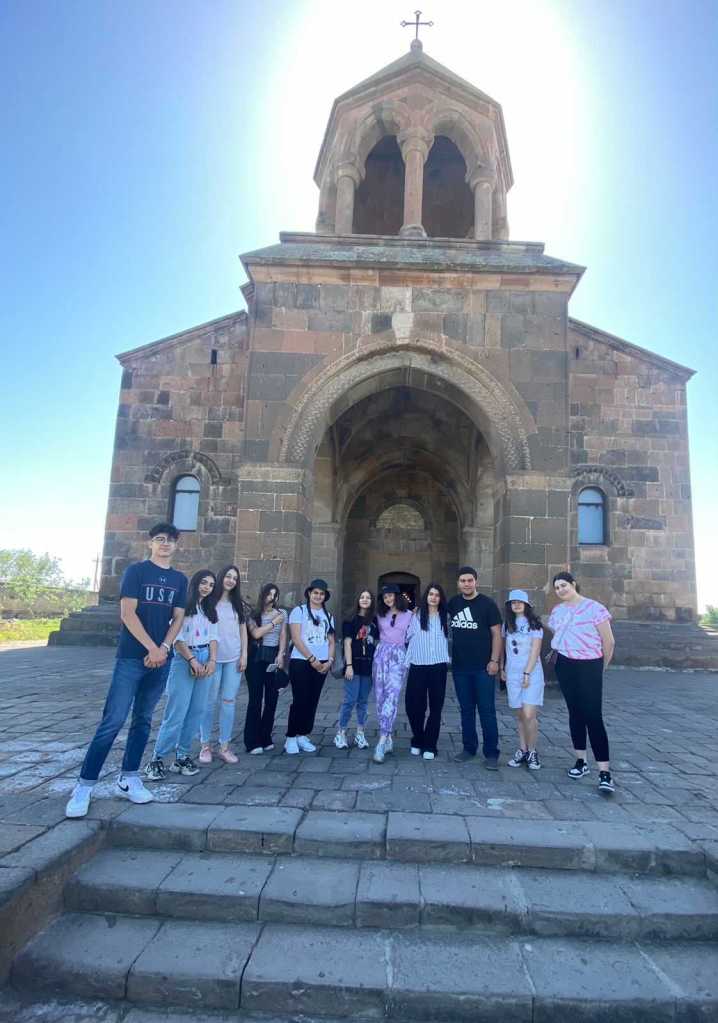
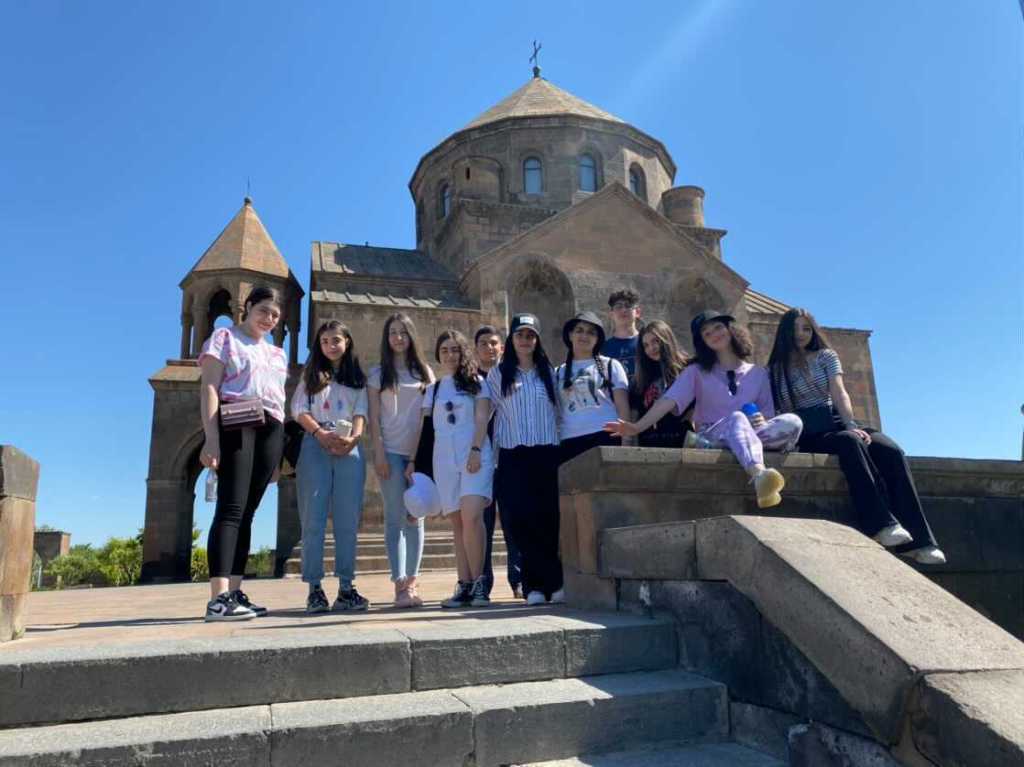
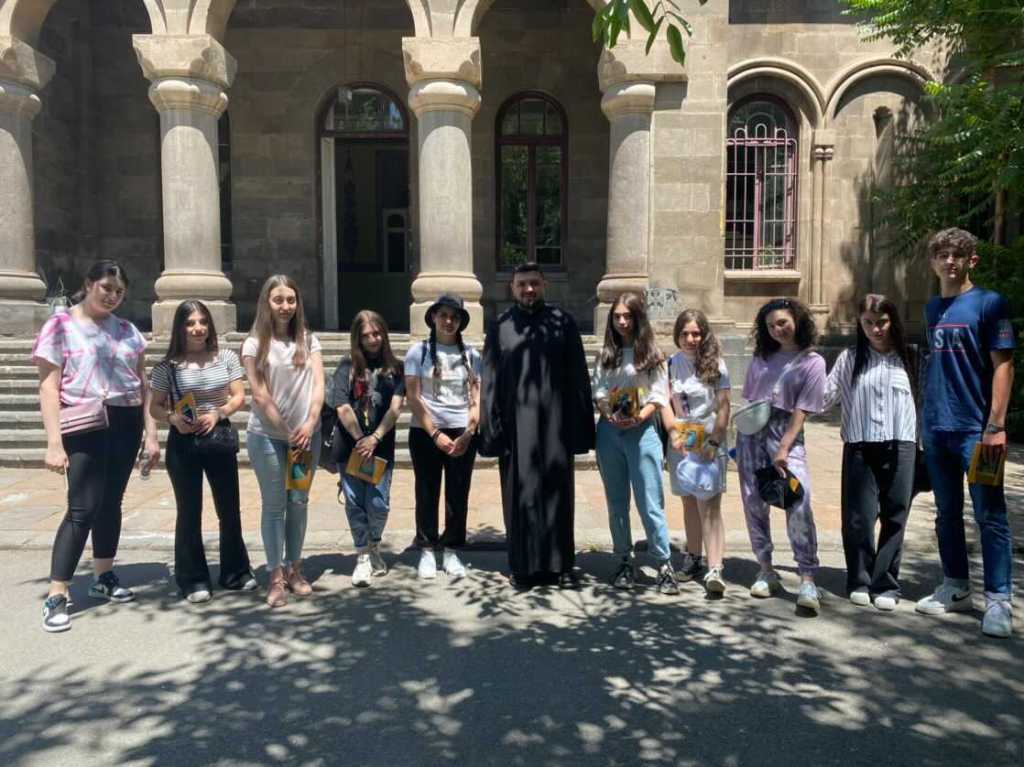
Նախ օրս սկսեց հրաշք մարդկանցով։ Հանդիպեցինք ու ուղևորվեցինք դեպի Էջմիածին։ Հասանք Սբ. Հռիփսիմե եկեղեցին որտեղ նաև Հռիփսիմեի գերեզմանին այցելեցինք։

Այնուհետև ուղևորվեցինք Մայր Աթոռ Սբ. Էջմիածին։

Զրուցեցինք Լևոն Սարկավագի հետ։

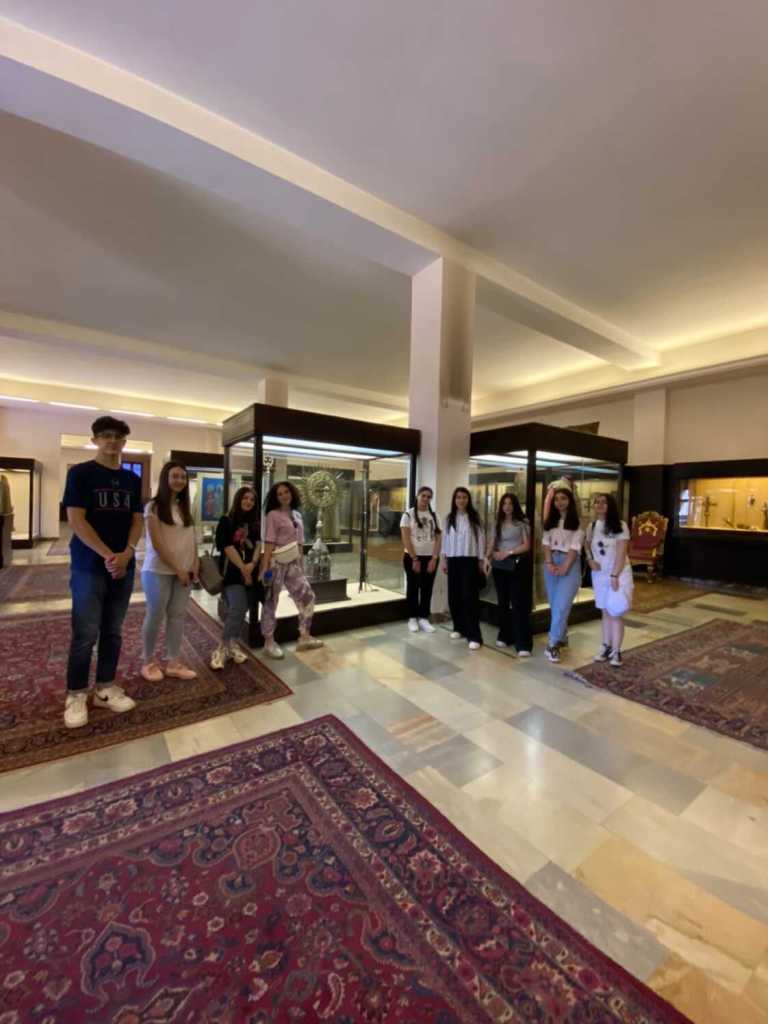
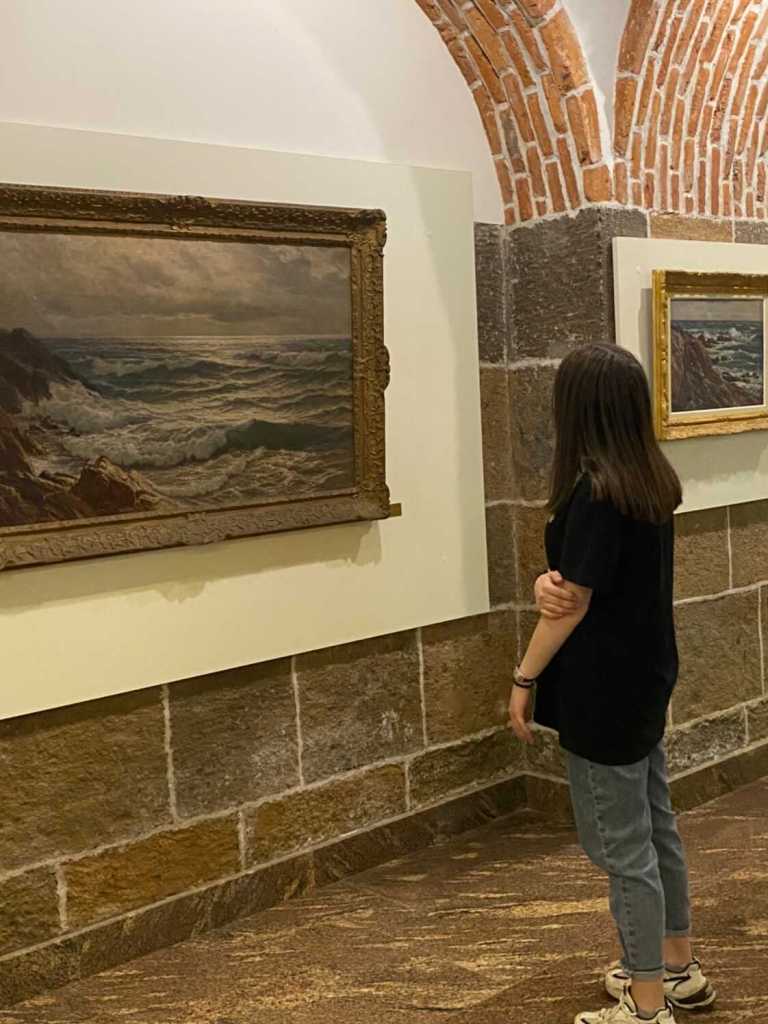
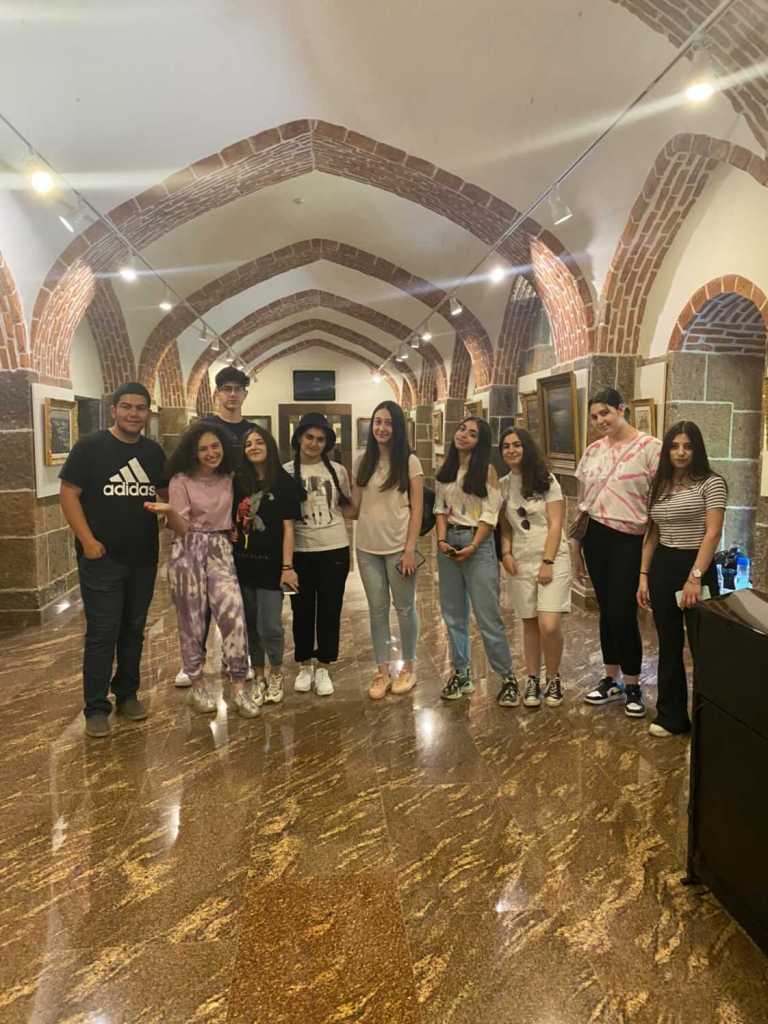
Եղանք այնտեղի գանձատանը և Ռուբեն Սևակի թանգարանում։ Ամենինչ շատ գեղեցիկ էր և հետաքրքիր; ինչ֊որ տեղ նաև զարմանալի։

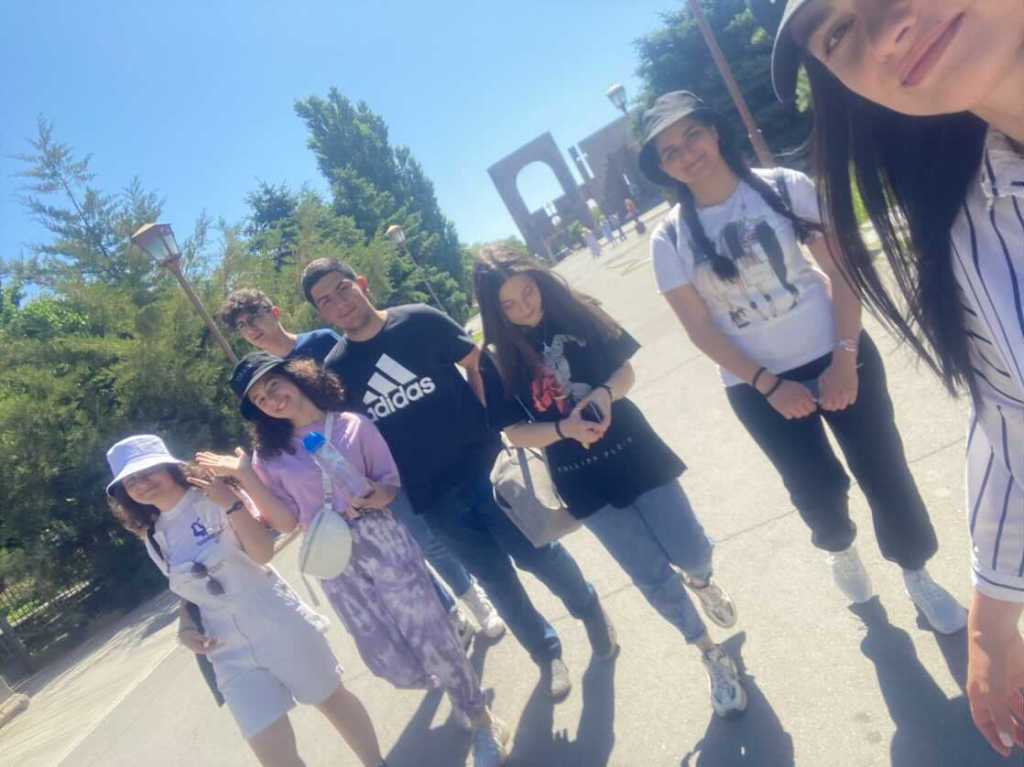
Ահա ևս մի քանի կադր`

Այստեղից շատ տպավորված բոլորս գնացինք Էջմիածնի միակ Ֆուդ կորտը, իսկ հետո Օհանի հետ այցելեցինք նրանց տուն։ Նրա մայրիկը մեծ պատրաստություն էր տեսել մինչ մեր գալը։ Շատ լավն էր նրա մայրիկը։ Իսկ վերջում շնորհակալություն հայտնեցինք նրանց և ուղևորվեցին հետ դեպի Երևան։

Բոլորս շատ տպավորված էինք այդ լի և հագեցած օրվանից և մեր սիրելի ընկեր Ռուզաննային շնորհակալություն հայտնեցինք այդ գեղեցիկ օրվա համար։

Ճգնաժամ

  1. Ճգնաժամ հասկացությունը

Ճգնաժամ, հեղաշրջում, անցումային վիճակ, ճեղք, իրավիճակ, որի դեպքում նպատակներին հասնելու համար գոյություն ունեցող բոլոր միջոցները դառնում են անբավարար, որի արդյունքում առաջանում են անկանխատեսելի իրավիճակներ։ Ճգնաժամը ի հայտ է բերում թաքնված հակասություններ և անհամաչափություններ։ Ճգնաժամի փայլուն օրինակ է հեղափոխությունը։ Կարող է դիտվել որպես ֆենոմեն (անիրական մի բան), տնտեսական գործոն (գործունեության պայման), քաղաքական, սոցիոլոգիական, տնտեսական կատեգորիա։

  1. Ճգնաժամի տեսակները
    Ճգնաժամի տեսակներն են` տնտեսական ճգնաժամը, ֆինանսական ճգնաժամը, էներգետիկական ճգնաժամը, ռազմա-քաղաքական ճգնաժամը, հոգեբանական ճգնաժամը, ներքաղաքական ճգնաժամը, մշակությային ճգնաժամը, կոնական ճգնաժամը, սոցիալական ճգնաժամը և էկոլոգիական ճգնաժամը։
  2. Ներքաղաքական ճգնաժամ
    Այսօր Հայաստանի հասարակության առջեւ ծառացած խնդիրներից կարեւորագույնը վերջին ամիսներին ակնհայտ դրսեւորվող լարվածությունն է: Մի կողմից ֆեոդալիզմի, կալվածատիրության, մյուս կողմիցկապիտալիզմի գզվռտոց է, իսկ հասարակության հսկայական մասը, որը բնազդորեն պետք է հարեր սոցիալիստական գաղափարներին, մնացել է խաղից դուրս: Այսինքն այս կռիվը հասարակության կռիվը չէ: Կարծում եմ` մտավորականները, որոնք սովորաբար ձախ հայացքների կրողներ են, պարտավոր են ձեւակերպել այս իրողությունը եւ ասել, որ հիմա հասարակությանն անհրաժեշտ է հզոր սոցիալիստական գաղափար, ռադիկալ ձախ գաղափար, որը կկարողանար ձեւակերպել երկրի առջեւ ծառացած իրական խնդիրները (արհմիությունների ստեղծման, սոցիալական, մարդու իրավունքների պաշտպանության հարցեր եւ այլն): Ո՛չ բյուրոկրատիան, ո՛չ ֆեոդալիզմը, ո՛չ կապիտալիզմը, որ ներկայացնում են այսօրվա քաղաքական բեմի գործիչները, այս հարցերը նույնիսկ չեն էլ փորձում ձեւակերպել: Մեր մեծագույն սխալն այն է, որ ուշանում ենք ասել ճշմարտությունը, իսկ ճգնաժամը խորանում է:
  3. Տնտեսական ճգնաժամ
    Տնտեսական ճգնաժամ առաջանում է, երբ խախտվում է ապրանքների և ծառայությունների առաջարկի և պահանջարկի հավասարակշռությունը։ Մրցակցության վրա հիմնված տնտեսության դեպքում արդյունավետ սեփականատերերի զանգվածային ընտրություն է կատարվում։ Ճգնաժամը կարող է նորացնել գաղափարական, քաղաքական պայմանները և այլն։

Ճգնաժամ կարելի է համարել այն իրավիճակը, երբ.

  1. որպես գործողության արդյունք տեղի է ունենում վնաս,
  2. նախորդ մոդելի գործողության անհնարին
  3. շարունակությունը,հետաձգվում է որոշման ընդունումը,
  4. առաջանում է թարմացնելու հնարավորույթուն

How to create fake news: a guide

Every time you’re online, you are bombarded by pictures, articles, links and videos trying to tell their story. Unfortunately, not all of these stories are true. Sometimes they want you to click on another story or advertisement at their own site, other times they want to upset people for political reasons. These days it’s so easy to share information. These stories circulate quickly, and the result is … fake news.

There is a range of fake news: from crazy stories which people easily recognise to more subtle types of misinformation. Experts in media studies and online psychology have been examining the fake news phenomenon. Read these tips, and don’t get fooled!

  1. Check the source

Look at the website where the story comes from. Does it look real? Is the text well written? Are there a variety of other stories or is it just one story? Fake news websites often use addresses that sound like real newspapers, but don’t have many real stories about other topics. If you aren’t sure, click on the ‘About’ page and look for a clear description of the organisation.

  1. Watch out for fake photos

Many fake news stories use images that are Photoshopped or taken from an unrelated site. Sometimes, if you just look closely at an image, you can see if it has been changed. Or use a tool like Google Reverse Image search. It will show you if the same image has been used in other contexts.

  1. Check the story is in other places

Look to see if the story you are reading is on other news sites that you know and trust. If you do find it on many other sites, then it probably isn’t fake (although there are some exceptions), as many big news organisations try to check their sources before they publish a story.

  1. Look for other signs

There are other techniques that fake news uses. These include using ALL CAPS and lots of ads that pop up when you click on a link. Also, think about how the story makes you feel. If the news story makes you angry, it’s probably designed to make you angry.

If you know these things about online news, and can apply them in your everyday life, then you have the control over what to read, what to believe and most importantly what to share. If you find a news story that you know is fake, the most important advice is: don’t share it!